Monday, December 1, 2008

A tale as old as drug companies themselves.

Research Center Tied to Drug Company - NYTimes.com

This is not really a new story: pharmaceutical company sets up testing to favour coverage of its product.

It really is in the best interests of pharmaceutical companies to manipulate research in their favour. It's not merely because they are producing a certain product, it's that they are the only company producing their product.

Ford, GM, and other car companies have a vested interest in claiming that cars are safe. However, they also have a vested interest in showing that their cars are safer than other cars. One route that they have to make this claim is demonstrate the safety flaws in the cars of other companies. Since everyone can make cars, there is no one company that has in its interest the safety of all cars.

This is not the case with many pharmaceutical products, because the particular products are often unique. Now it may be the case that drugs get developed in competition with other drugs. For example, a company might try to devise a drug that does the same thing as another drug, but with less side effects, longer duration, or less dangerously. However, for many drug products, the product is a unique way to address a specific problem. There is little or now direct competition against that drug.

This means that the drug is a kind of mini-monopoly and the pharmaceutical company has a lot more leeway in pricing the drug than other products do. The company gets to realize a much higher profit on the drug than they could hope to see with another product. Thus there is far more incentive to pursue questionable business practises than with other products.

Far more has been written on these issues, and written much better, by Dean Baker of the Center for Economic and Policy Research. I recommend that anyone interested in the issue check him out. A search under "drug companies" should get some good articles by him and other members of CEPR.

Tuesday, October 21, 2008

Examples of problems in interactive media

Two examples of the challenges of interactive media in communicating science information:

  1. A humourous take from SomethingAwful:http://www.somethingawful.com/d/news/wikigroaning-iii.php
  2. A serious case of problems associated with traditional media turning attention to a blogger:  http://scienceblogs.com/islandofdoubt/2008/04/16yearold_libels_james_hansen.php

To clear the palette, a positive example: http://www.askabiologist.org.uk/


Dealing with bad science reporting

This post provides a number of different examples of how science reporting can go wrong. It is primarily about the classical model of science communication, but it also relates to the interactive model, as this post is an example of the back-and-forth that can go on between different people of different levels of experience in the blog arena. The post is actually a reprint of a comment to another post of the blogger.

Of interest is the link to the anecdote about misreading information on company health that is an example of the danger of the inadvertent audience.

Deltoid: John Mashey: What to do about poor science reporting

Thursday, September 4, 2008

What is a "scientist": This year's Google Image search

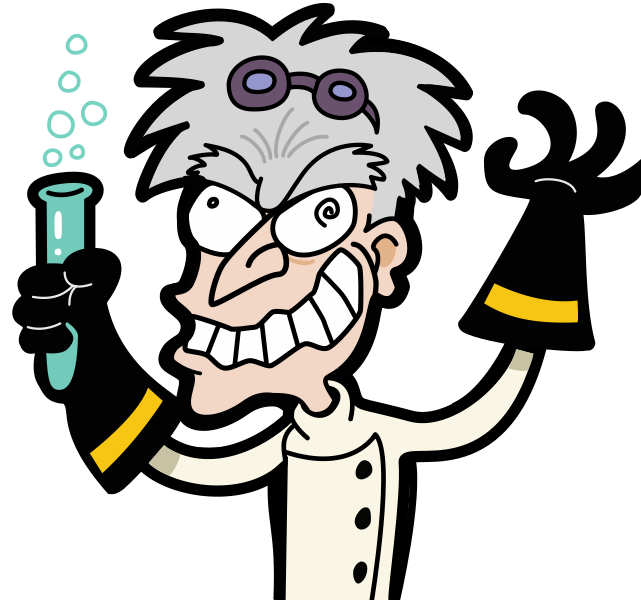
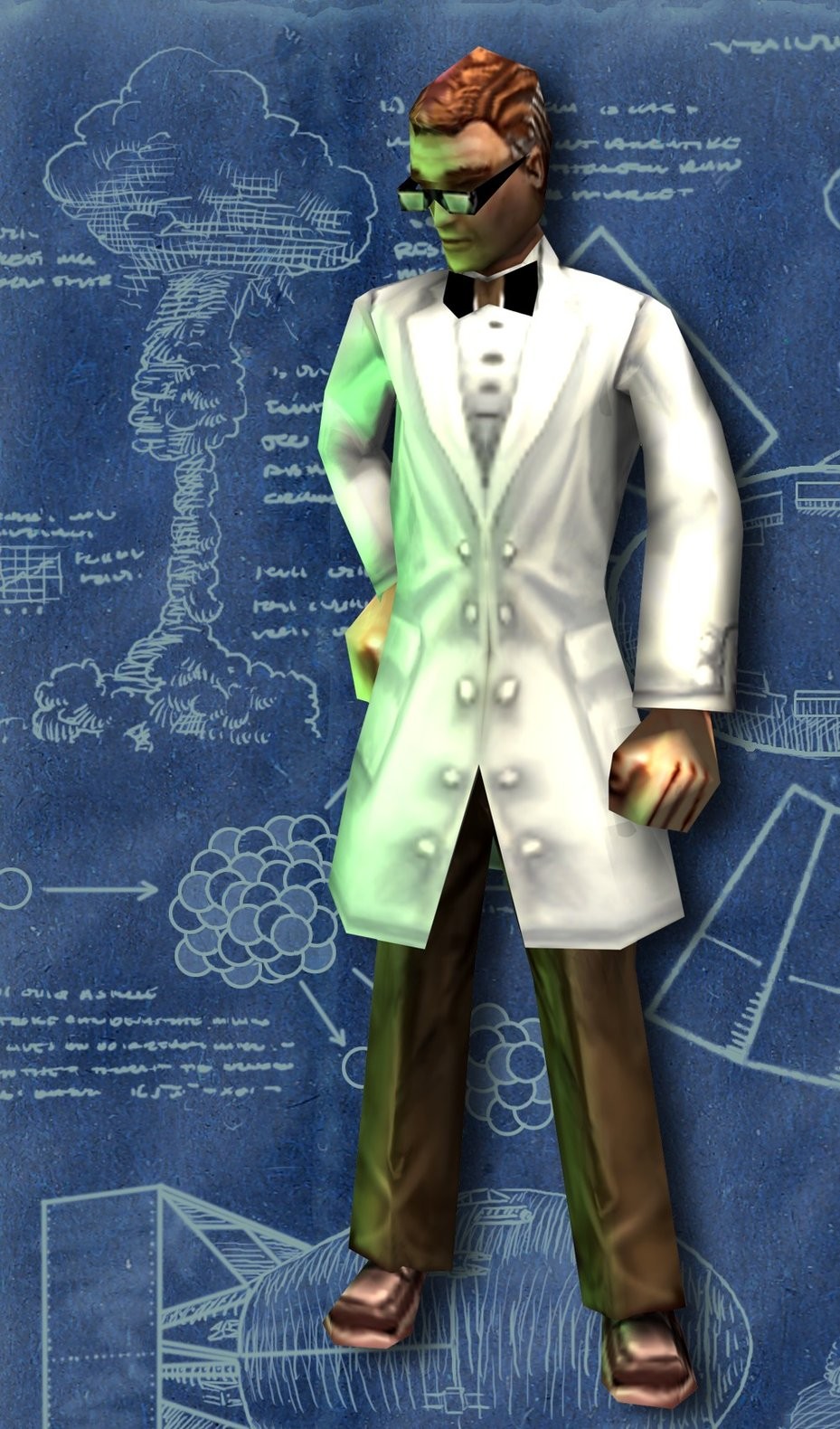
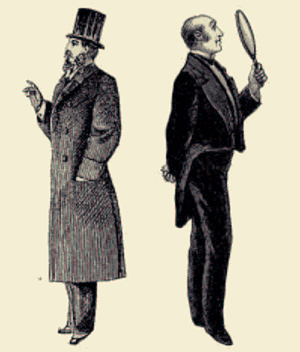
At the start of classes every year, I do a Google image search for the word "scientist". Here are the top twenty results:

  1. http://naturalpatriot.org/wp-content/uploads/2007/09/scientist.jpg
  2. http://www.pendotech.com/images/mad_scientist.gif
  3. http://www.clipartof.com/details/clipart/2703.html
  4. http://upload.wikimedia.org/wikipedia/commons/thumb/9/9b/Mad_scientist_transparent_background.svg/641px-Mad_scientist_transparent_background.svg.png
  5. http://www.yetiarts.com/aaron/comics/images/fiske/scientist.jpg
  6. http://www.rotaryfirst100.org/philosophy/images/scientist.gif
  7. http://www.y12.doe.gov/news/report/2_2/img/418704.jpg
  8. http://www.expobio.com/images/scientist.jpg
  9. http://blog.lib.umn.edu/zerot001/architecture/scientist.gif
  10. http://www.epa.state.oh.us/pic/kids/scientist.jpg
  11. http://www.iwatchstuff.com/2007/10/03/will-smith-scientist-legend.jpg
  12. http://www.biosulf.org/1/images/ist2_2742347_scientist.jpg
  13. http://www.civfanatics.net/~civrules/Article/Units/GreatScientist.jpg
  14. http://www.madfoodscientists.rivner.info/Mad_scientist_caricature.png
  15. http://www.lithoguru.com/images/gentleman_and_scientist.gif
  16. http://www.ldesign.com/Images/Essays/GlobalWarming/Part3/scientist.jpg
  17. http://scienceblogs.com/strangerfruit/post_tutorial_mad-scientist_2_470.jpg
  18. http://www.theonion.com/content/files/images/3-Rogue-Scientist-Jump-C.article.jpg
  19. http://adsoftheworld.com/files/images/Coin-Operated-Scientist1.preview.jpg
  20. http://globalmoxie.com/bm~pix/scientist~s600x600.png

There's a lot to work with in these images. Including, but not limited to, a lot of glasses, a lot of chemistry lab equipment, and a lot of wild hair. On the other hand, we have one woman and one black man! This is a big step for these Google searches.

And who is that black scientist? Here are two earlier portrayals of the same character:
http://www.millionmonkeytheater.com/moviepics2/lmemorgan.jpg
http://badazzmofo.com/wp-content/uploads/2008/04/heston-omega.jpg

Monday, September 1, 2008

Hello, science students!

I'm hoping that over the next week or so a few science students notice this class and decide to at least look into it further. I think that developing an understanding of just how science is presented and perceived outside of the scientific community is very important for science in general and for many scientists in particular.

A course like this can help improve a student's skills in three areas of importance.

1. Scientists and non-scientists are interested in reading about science. The better a scientists (or a science student thinking of going into popular science writing) knows about the ways that people absorb scientific content, the better they can target their own writing.

2. Scientists need to communicate in order to earn money for research and to keep their jobs. Often this means communicating with non-scientists about their work. This course offers students a chance to practise their skills in writing about science for a more general audience.

3. Simply advancing scientific research often requires communication with a large group of other scientists. Developing writing skills is important in reaching that audience.

I've had a lot of experience studying and reading about scientific topics and a lot of experience with writing and with teaching writing. I feel that if a science student wants to take an essay course, then I can give them their best shot. Hopefully some of you will be reading this and sign up for the course!

Friday, August 29, 2008

The Omnivore 100

OK, this is only tangentially science related, perhaps.


However, a lot of science goes into today's food. There is a lot of money put into developing and applying techniques to keep food fresh and palatable while traveling and while on the shelf. Some very popular food items are unacceptable to eat toady because of concerns about the impact of harvesting those items on the environment. (I'm thinking primarily of endangered species here, but not exclusively.)

Anyway, on to the 100:

1. Venison
2. Nettle tea
3. Huevos rancheros*
4. Steak tartare
5. Crocodile
6. Black pudding (effectively)
7. Cheese fondue*
8. Carp
9. Borscht*
10. Baba ghanoush
11. Calamari
12. Pho
13. PB&J sandwich*
14. Aloo gobi
15. Hot dog from a street cart
16. Epoisses (I should have tried this by now)
17. Black truffle
18. Fruit wine made from something other than grapes
19. Steamed pork buns
20. Pistachio ice cream
21. Heirloom tomatoes*
22. Fresh wild berries*
23. Foie gras
24. Rice and beans*
25. Brawn, or head cheese (not going to happen)
26. Raw Scotch Bonnet pepper
27. Dulce de leche
28. Oysters
29. Baklava*
30. Bagna cauda
31. Wasabi peas (though I prefer wasabi peanuts)
32. Clam chowder in a sourdough bowl
33. Salted lassi
34. Sauerkraut*
35. Root beer float*
36. Cognac with a fat cigar (I prefer a nice, aged rum, myself)
37. Clotted cream tea
38. Vodka jelly/Jell-O*
39. Gumbo
40. Oxtail
41. Curried goat
42. Whole insects (not intentionally that I can remember)
43. Phaal
44. Goat’s milk
45. Malt whisky from a bottle worth £60/$120 or more (when I finish my thesis)
46. Fugu (not likely!)
47. Chicken tikka masala
48. Eel
49. Krispy Kreme original glazed doughnut
50. Sea urchin
51. Prickly pear
52. Umeboshi
53. Abalone
54. Paneer
55. McDonald’s Big Mac Meal
56. Spaetzle
57. Dirty gin martini (No. Gin martinis should be served with lemon twists, not olive.)
58. Beer above 8% ABV
59. Poutine*
60. Carob chips (I don't get this... people want to eat these?)
61. S’mores*
62. Sweetbreads
63. Kaolin (The dirt, the band, or the Salior Moon character?)
64. Currywurst
65. Durian
66. Frogs’ legs
67. Beignets, churros, elephant ears or funnel cake
68. Haggis
69. Fried plantain
70. Chitterlings, or andouillette
71. Gazpacho
72. Caviar and blini
73. Louche absinthe
74. Gjetost, or brunost
75. Roadkill
76. Baijiu
77. Hostess Fruit Pie
78. Snail
79. Lapsang souchong
80. Bellini
81. Tom yum
82. Eggs Benedict
83. Pocky
84. Tasting menu at a three-Michelin-star restaurant.
85. Kobe beef
86. Hare
87. Goulash
88. Flowers*
89. Horse
90. Criollo chocolate
91. Spam*
92. Soft shell crab
93. Rose harissa
94. Catfish
95. Mole poblano
96. Bagel and lox*
97. Lobster Thermidor
98. Polenta*
99. Jamaican Blue Mountain coffee
100. Snake

That's a total of 59 for me. Not bad. I had to look up some of these items, only to discover that, yes, I had indeed eaten them without knowing what they were!

To put a science spin on this, it would be interesting to look at the fat content of this list. We love fat and it can play a big role in how well a meal is perceived.

* These items I have made or cooked with myself.

Tuesday, August 26, 2008

Cartoon Commentary

This cartoon is directly about something we discuss in class.

Scientists often have an ambivalent relationship with reporters. On the one hand, media attention can be important to a scientists. The exposure can bring interest from granting agencies, private donors, and other scientists working is similar fields. Additionally, popular articles on one's research can be used to justify the importance of one's work to these aforementioned groups. On the other hand, however, reporters can misinterpret or cherry-pick scientific results in order to promote (intentionally or not) their own agenda or they can uncritically report scientific results and communicate a false sense of certainty in scientific claims. Both of these drawbacks are assisted when a reporter does not give some insight into the reasoning from evidence that a scientist does in order to produce results.

Note that the scientist and reporter in the cartoon are seemingly taking part in the traditional or classic model of scientific communication. The scientist seems content to let the reporter do the work of mass communication, even though something will be lost in the translation.

Anyway, check out the comic for other science-themed strips.

PartiallyClips - A Webcomic for Grownups

Monday, August 25, 2008

A lecture on evolution in the middle of a trial

One of the interesting things about the Kitzmiller v. Dover Area School District trial about the teaching of Intelligent Design in US public schools was the presentation of evidence for evolution. Now Nick Matzke has put together the testimony of Kevin Padian, a paleontologist, along with the slides shown in court. It might not be an great read for everyone, but it is an example of how a scientist uses visual aids in communicating with an audience outside of the scientific community. This is probably a good example because the audience is someone who is committed to being an impartial skeptic, there is a context where opponents to the science had presented arguments and would present further argument, and the presentation of the science, by Padian and others, was ultimatly successful.

Kitzmiller v. Dover: Padian demonstrative slides

Museums as a Medium

When people in general consider media, they tend, I think, to imagine the big media of their age. So most people probably think about television, film, and the internet first and then they think about newspapers and magazines as an afterthought, even if they feel a little guilty for leaving out newspapers on their first list.

Yet there is much more that we can consider to be media and that is far from our common thoughts on the subject. For example, on Age of Persuasion this weekend, Terry O'Reilly talked about a sewage treatment plant as a form of media. (I wish I could link to a podcast of that episode, but they don't have the legal issues for a podcast version of that show settled yet.) In the realm of science-related media, I like to point to museums as a medium that my students might otherwise neglect.

In London, there are three museums dedicated to presenting something about science. There is The Canadian Medical Hall of Fame, Banting House National Historic Site, and The Museum of Ontario Archeology. Other museums in London might also have content about science, though. For example, The London Regional Children's Museum offers field trips about at least one scientific topic.

Two of the three primarily scientific museums in London are what we might think of a science-boosters, but not all museums necessarily present science in a good light. This might depend on their historical focus. It is not hard to imagine that there may be a primarily negative impression of scientific research to be found at museums about the Holocaust. Of course, scientific research is an important part of the historical investigation into the Holocaust and it certainly plays a number of (sometimes surprising) roles in defeating the claims of Holocaust deniers. The success of applying scientific methods to reject Holocaust deniers is, unfortunately, harder and less dramatic to communicate in a museum display than it is to communicate the tragedy and horror of the scientific experiments performed on prisoners in the concentration camps and to communicate the science used to create more effective gas chambers.

This brings us to two aspects of the idea of scientific truth as presented in a museum. Much of the study of science in media is about authority. Museums bring with them the force of physical presence to the authority of the claims that they present. Additionally, there is a host of social factors that come with museums; e.g., when one goes to a museum one is aware, consciously or not, of standards of behaviour, expectations of content, expectations of interest or boredom, and certainly that what the museums present is supposed to be an authoritative picture of the way things are (or were).

This idea is explored, fascinatingly, in The Museum Of Jurassic Technology. I recommend that you check out the website for the museum and even visit the museum if you are in southern California. Take a look at the exhibits and try to figure out just what is going on with this museum. If you are interested, check out Mr. Wilson's Cabinet of Wonders, by Lawrence Weschler, a fascinating read on the history of museums and on The Museum of Jurrasic Technology in particular.

Museums are interesting places to consider in a study of scientific media. They have the potential to be a boundary area for traditional means of science education and a new model of interactive science communication. Museums usually rely on the idea that they are there to translate scientific information to their patrons, which is clearly part of the traditional picture of scientific communication. Yet they have the potential to bring in scientists to answer questions about the museum's exhibits. Through websites, or kiosks in museums, patrons can ask questions about particular scientific topics covered in the museums and curators can pass these questions on to scientists working in the field. Additionally, museums can house exhibitions of public science, areas where scientists work on projects chosen by museums patrons and reporting to museum patrons.

Unfortunately, today museums are also a lesson in the role of economics in restricting media. As they face more cutbacks in government support and donations, museums are forced to implement or increase visitor entry fees. This lowers the accessibility and changes the demographic that has access to museums. This, in turn, reinforces the idea that science is for a certain class of people defined by income level.

This year's course (2008)

This blog is here primarily as an aid to my students, so that they can have access to examples of science related websites, videos, podcasts, and other texts. (I'm using "text" here to refer to any example of an entire piece of communication in some medium. We've got get to used to the media studies lingo.)

So what's going on in this year's class? This year I'm doing MIT 2403F starting this September. This is a second year essay course that will be open to all students.

This course is not a science course, so you don't have to know too much about science to take the course. If you do know something about science in general or about science , this course can be very interesting, as it may give you a deeper insight into the way that people think about science.

MIT stands for Media, Information and Technoculture, so this course has the potential for a little more than simply media studies. This course also has a brief look at the media that scientists use within the community of scientists and how this shapes their culture and information in science. I will also try to tie the ideas in this section of the course into instruction on essay writing, so that it will help teach both the content of the course and essay writing skills.

As far as textbooks for the course go, the course will use a coursepack available at InPrint. This should keep costs down. The coursepack has a few articles from the philosophy of science but mostly we will look at articles specifically about media and the way that science is portrayed in fiction and in news media. A few supplementary articles will be placed on course reserve in the library or be made available over the internet. In class, and in the students' own time, we will look at particular examples of movies, newspaper and magazine articles, and other texts that present science in some way. This blog will help with that.

That's about it. I only want to add that I hope to do a fair bit of essay instruction and guidelines within the course, which I hope will help students in this class and in future classes.

Saturday, August 16, 2008

More about curve fitting

Here's a couple of links about curve fitting.

Curve fitting made easy - The Industrial Physicist
Wikipedia Entry on Curve Fitting
Curve Fitting in Microsoft Excel

One of the important things about curve fitting that is mentioned, briefly, in the first link, is that properly using the curve fitting technique requires some background knowledge and assumptions. It is always possible to find a curve that will match the data to some degree. In many cases, it is always possible to create a curve that fits better than the one produced by your own theory or the theory of anyone else. This is because if we are willing to consider more parameters to our theories, more aspects where we can identify a different value, we have more power over the shape of our curve. With one parameter, we have a straight line on our graph, with two parameters we have a single "bend" in our curve, and with each additional parameter we have the potential for another "bend" somewhere in our graph to turn our curve towards a data point.


However, curve fitting is not supposed to be some sort of mathematical exercise, but a means of determining the which theory of a pre-selected group of theories is the best. This means that curve fitting cannot stand on its own as a theory selection method.

Curve fitting is a good metaphor for scientific reasoning in general. If we look at theory selection from only one direction, we may be basing our scientific beliefs on something pathological.

Friday, August 15, 2008

Strange Maps

Strange Maps is a fantastic blog in itself. Each blog entry presents a map and a discussion of the map. In my opinion, Strange Maps is one of the best blogs out there in terms of mastering one form of blogging.

In terms of science and media, looking at maps can be very informative. A lot of science goes into creating maps. Maps are supposed to be a visual representation of some region; how and what maps represent often depends on the scientific and other contexts of the map maker and the viewer. I hope to post more on this in the future.

Thursday, August 14, 2008

Pharyngula

Well, of course this blog has to have a link to Pharyngula, the blog of the (Internet) (in)famous biologist PZ Meyer. (That's, "Pee Zee Myers," fellow Canadians.) That's a lot of parentheses for one blog post already, so I'll move on. There will be plenty of references to Pharyngula in the future.

Bad Science

The first real entry for this blog is a link to Ben Goldacre's blog, Bad Science. This blog is important for two reasons. First, the blog provides good coverage on a number of scientific issues that are distorted in the news media. Second, Goldacre often discusses the nature of news media and the nature of blogging. This is interesting for my own research and it is the basis for some of the discussion in my classes on science and argumentation.

Fitting the Curve

One of the ways to show that your scientific theory matches available data is to plot data points on a graph and show how your theory predicts a curve on this graph that passes through, or close enough to, these data points. This can have a great visual impact and this can have a great psychological impact on accepting or rejecting a scientific claim. This visual impact remains at work in our society even though contemporary scientific practise appeals to mathematical analysis on just how good a given curve fits the data rather than visual analysis. Thus this aspect of science and its acceptance seems like an apt choice for a blog primarily about the use and portrayal of science in media.

Of course, the title of the blog is a pun of sorts. This is somewhat ironic yet, if you know me, not unexpected. It is ironic because one of my pet peeves is the use of puns in what should otherwise be serious and informative news media. However, I just can't resist the urge to make and point out puns, intentional or unintentional. I apologize in advance.